

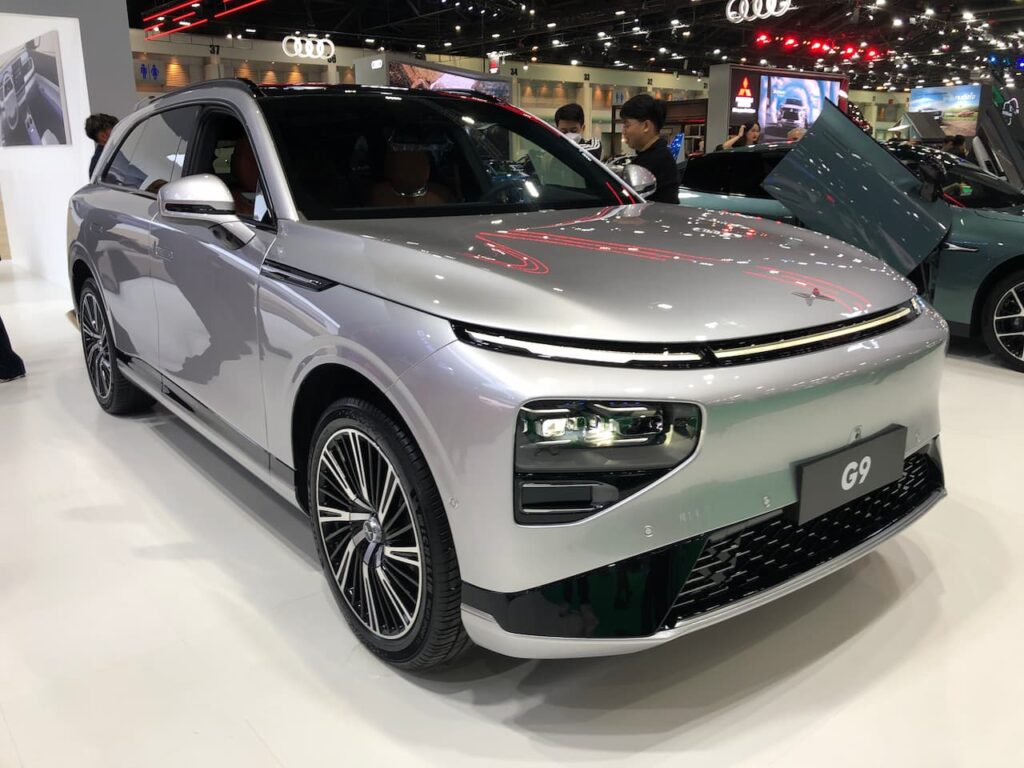
Chinese electric vehicle manufacturers have rapidly shifted from emerging industry challengers to dominant forces reshaping the global automotive landscape. What began as a government-driven push to reduce pollution and modernize transportation has evolved into one of the largest and most competitive electric vehicle ecosystems in the world. Strong policy support, generous incentives, and heavy investment in infrastructure helped build massive domestic demand, allowing Chinese EV brands to scale quickly and refine their technology.
As China developed the world’s largest EV market, its manufacturers gained a powerful advantage: real-world experience on a massive scale. Cities across the country embraced electric mobility, supported by extensive charging networks and consumer programs designed to encourage EV ownership. This foundation empowered Chinese brands to not only compete at home but also expand confidently into international markets.
Companies such as BYD, NIO, Xpeng, SAIC, and others represent this new wave of Chinese innovation. Many of these brands began by focusing on affordability, which allowed millions to access EV technology more easily than in Western markets. Over time, they transitioned toward high-performance electric cars equipped with advanced software, intelligent driving systems, and long-range battery capabilities. Their ability to combine technology and value has become one of their strongest competitive strengths.
A major reason behind China’s leadership is its dominance in battery manufacturing. Chinese firms control a significant share of the global lithium-ion battery supply, lowering production costs and reducing reliance on foreign suppliers. This powerful supply chain advantage enables manufacturers to build electric vehicles at scale and maintain competitive pricing, something many traditional automakers around the world continue to struggle with.
However, the rise of Chinese EVs has not come without challenges. Expanding into international markets requires meeting different regulatory standards, addressing data security concerns, and overcoming long-standing perceptions about Chinese automotive quality. Political tensions, trade barriers, and tariffs in some regions also pose potential obstacles to global expansion.
Despite these hurdles, Chinese EV manufacturers are steadily increasing their presence across Europe, Asia, the Middle East, and other developing regions. Their growth is pushing established automakers to accelerate their own electrification strategies, intensifying competition and innovation across the global automotive sector.
The rise of Chinese electric vehicles is more than a success story for one country’s industry. It represents a major shift in global transportation, signaling a future where electric mobility is more accessible, technologically advanced, and widely adopted. As Chinese brands continue to push forward, they are shaping not only the direction of the EV market but the future of the automotive world itself.