

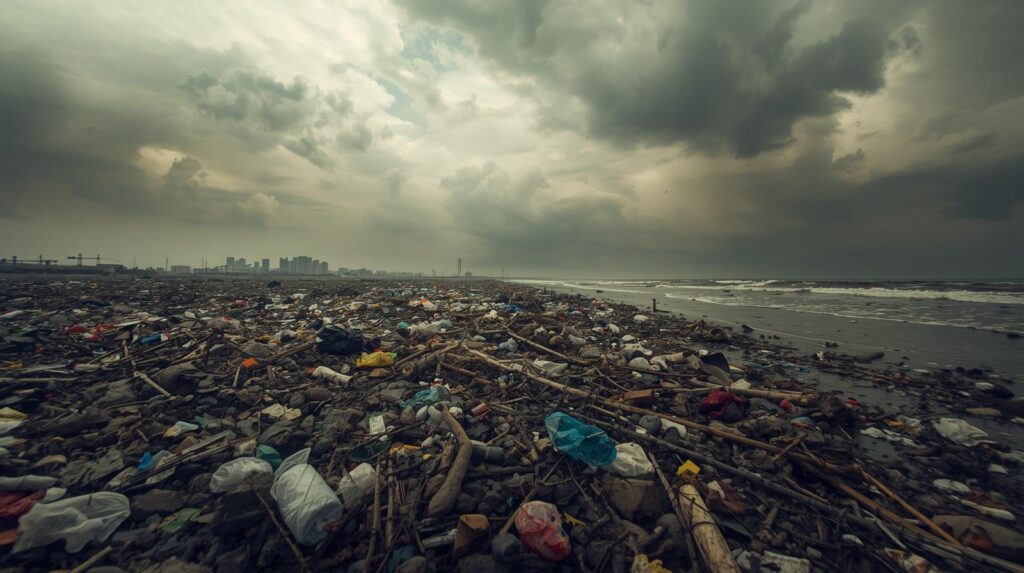
Saving the World from Pollution: Preventive Measures for a Sustainable Future
Pollution is one of the most serious threats facing the world today. It affects the air we breathe, the water we drink, and the land we depend on for food and shelter. As human activities continue to expand through industrialization, urbanization, and excessive consumption, pollution has reached alarming levels. Saving the world from pollution is no longer an option it is a global responsibility that requires immediate and collective action.
Pollution exists in many forms, including air, water, land, noise, and plastic pollution. Air pollution caused by vehicle emissions, factories, and burning fossil fuels leads to respiratory diseases and contributes to climate change. Water pollution, often caused by industrial waste, agricultural runoff, and improper waste disposal, destroys aquatic ecosystems and threatens human health. Land pollution from solid waste, plastics, and toxic chemicals degrades soil quality and harms wildlife. Together, these forms of pollution endanger biodiversity, ecosystems, and human survival.
To save the world from pollution, preventive measures must begin at the individual level. Simple daily actions such as reducing, reusing, and recycling waste can significantly minimize environmental damage. Avoiding single-use plastics, conserving water and electricity, using eco-friendly products, and practicing proper waste segregation at home are effective ways individuals can contribute. Small actions, when practiced consistently by millions of people, can create a powerful global impact.
Industries and businesses also play a crucial role in pollution prevention. Factories should treat waste before disposal and adopt cleaner production technologies to reduce emissions. Shifting to renewable energy sources such as solar and wind power can greatly reduce air pollution and greenhouse gas emissions. Businesses should also use sustainable packaging, minimize waste, and comply strictly with environmental regulations to protect the planet.
Transportation is another major contributor to pollution. Preventive measures include using public transportation, carpooling, biking, or walking whenever possible. The use of electric and fuel-efficient vehicles should be encouraged, along with proper vehicle maintenance to reduce harmful emissions. Developing clean and efficient public transport systems can significantly reduce urban air pollution.
Agriculture must also adopt sustainable practices to help save the world from pollution. Excessive use of chemical fertilizers and pesticides contaminates soil and water bodies. Promoting organic farming, reducing chemical inputs, and properly managing agricultural and livestock waste can prevent pollution while ensuring food security. Sustainable farming protects both the environment and human health.
Governments play a vital role in enforcing pollution control measures. Strong environmental laws, effective waste management systems, and strict monitoring of industries are essential. Governments should promote green urban planning, support environmental research, and invest in renewable energy projects. Public policies must prioritize environmental protection to ensure long-term sustainability.
Education and awareness are equally important in the fight against pollution. Environmental education should be integrated into school curricula to teach young people the importance of protecting the planet. Community clean-up drives, media campaigns, and public awareness programs can encourage responsible behavior and inspire collective action.
In conclusion, saving the world from pollution requires cooperation from individuals, industries, governments, and communities. By adopting preventive measures, promoting sustainable practices, and raising environmental awareness, humanity can protect the Earth for present and future generations. A clean and healthy planet is not just a dream it is a responsibility that everyone must share.